
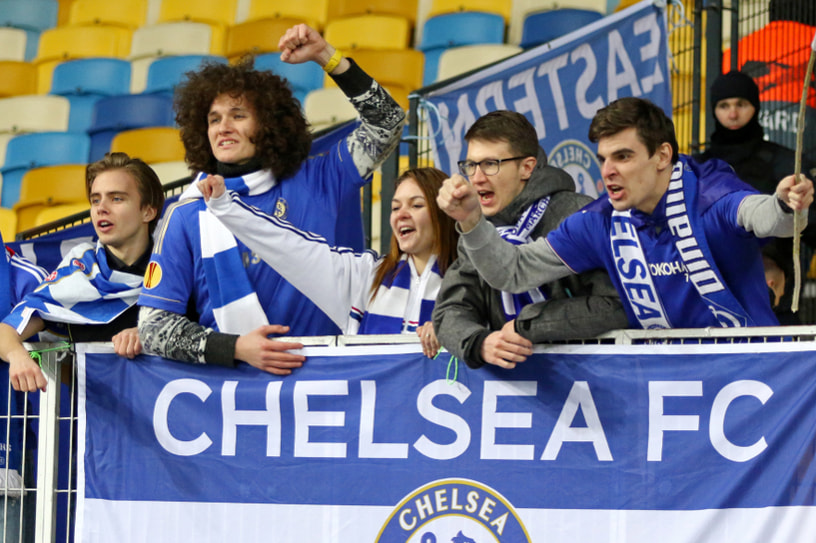
At full time, the noise was not relieved. It was anger. A 2–2 draw at home should feel manageable. Instead, it felt like something taken away. Fans did not argue about effort. They argued about fairness. About control. About mistakes that keep repeating. This was not one problem. It was several, stacked together.
The VAR Moment That Changed the Mood
The game turned before it ended. Everyone felt it. The handball incident was quick. The reaction was not. Chelsea fans saw an arm away from the body. They saw a natural goal stopped. They expected a penalty. VAR paused the match. Then waved it away. The explanation felt thin. The frustration felt heavy. Fans accept missed chances. They accept bad passes. They struggle with invisible decisions. VAR is meant to remove doubt. In this moment, it added it. That is why the anger lasted longer for people playing Cookie Casino bonuses.
Chelsea fans were fuming Leeds’ goal was able to stand despite the ball hitting Bogle’s arm
Did VAR get it right? 😅 pic.twitter.com/ir21wM0apE
— EPL Bible (@EPLBible) February 11, 2026
Consistency Is the Real VAR Problem
This was not about one call. That matters. Supporters remember other matches. Other teams. Other penalties are given for less. Consistency is the promise of VAR. It keeps breaking that promise. Once fans stop trusting the system, every decision feels targeted. That feeling spread fast after the draw. Social media made sure of it.
Defensive Errors That Keep Returning
VAR did not concede two goals. Chelsea did. The first Leeds goal felt familiar. Too much space. Late reactions. Fans have seen this pattern before. That makes patience harder. Chelsea looked nervous at dead balls. Clearances were rushed. Marking felt loose. These are basic things. Fans expect them to be fixed by now.
Why the Draw Felt Like a Loss
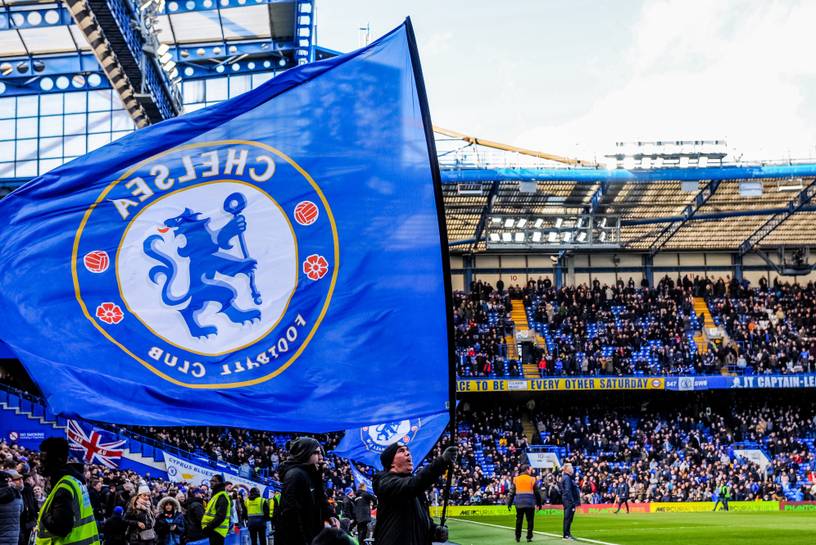
Context matters. Chelsea needed control. They got chaos. After equalizing, the crowd believed. The push was real. Then came the VAR moment. Then the second Leeds goal. Momentum flipped. Emotion followed. Stamford Bridge expects authority. Not survival. A draw at home always carries weight. This one carried resentment.
Player Reactions Fans Noticed Immediately
Fans watch body language closely. Especially now. Several players argued the decision. Some stopped tracking runs. It was brief. But costly. After going behind again, the response felt delayed. Fans read that as fragility. Fair or not, perception sticks.
The Manager’s Post-Match Words Didn’t Calm Things
The press conference mattered. The manager spoke calmly. He mentioned margins. He mentioned decisions. Some fans wanted fire. They wanted someone to say it was wrong. When fans feel robbed, neutral tones feel distant. It widened the emotional gap. Not intentionally. But clearly.
Online Fan Reaction Shows a Deeper Issue
The reaction went beyond the match. VAR became the target. But the anger was broader. Fans talked about structure. About defending. About repeating lessons. League position matters less than progress. Fans want signs of growth. This game felt like a loop. That is what scared people.
Leeds’ Perspective Made It Harder to Swallow
Leeds celebrated the draw. That hurt. They defended deeply. They fought. They waited. Chelsea had more of the ball. More control. And still did not win. That contrast fuelled the reaction.
What This Match Revealed About Chelsea Right Now
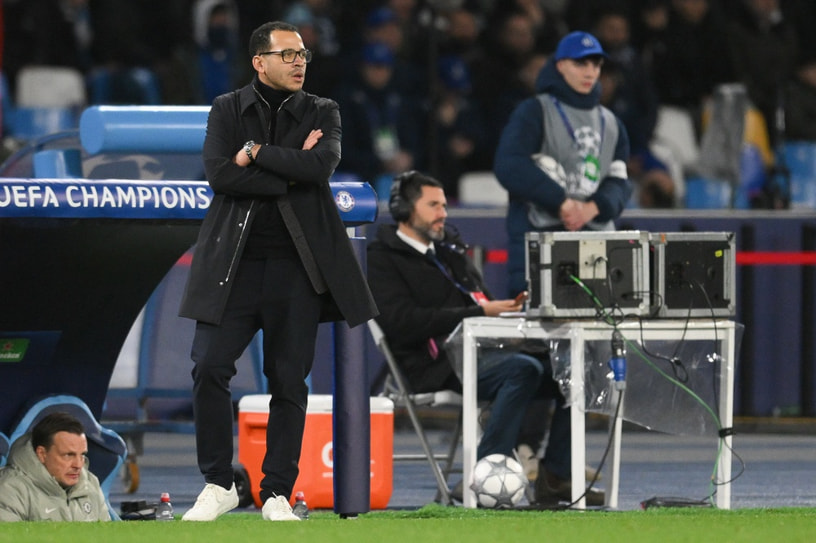
Chelsea is not being outplayed. They are being undone. That difference matters. It means fixes are possible. But they must come fast. Frustration affects shape. Shape affects results. Top teams manage moments. Chelsea is still learning to.
Why VAR Delays Change Player Decision-Making
The pause itself matters. When VAR checks drag on, players cool down. Rhythm breaks. Defenders lose focus. Attackers rush the next move. Chelsea looked sharper before the delay. After it, timing slipped. That small shift changes outcomes.
How Crowd Emotion Turned From Support to Pressure
The crowd was loud early. Supportive. After the VAR call, the sound changed. It became tense. Sharp. Players feel that instantly. Passes speed up. Touches get heavier. Home advantage can flip fast when frustration replaces belief.
Why Game Management Still Feels Reactive
Chelsea often respond instead of control. After scoring, the tempo stayed high. Risk stayed open. Fans expected calm. They got urgency. Game management is about slowing moments. This match never slowed.
Why This Draw Will Be Referenced All Season
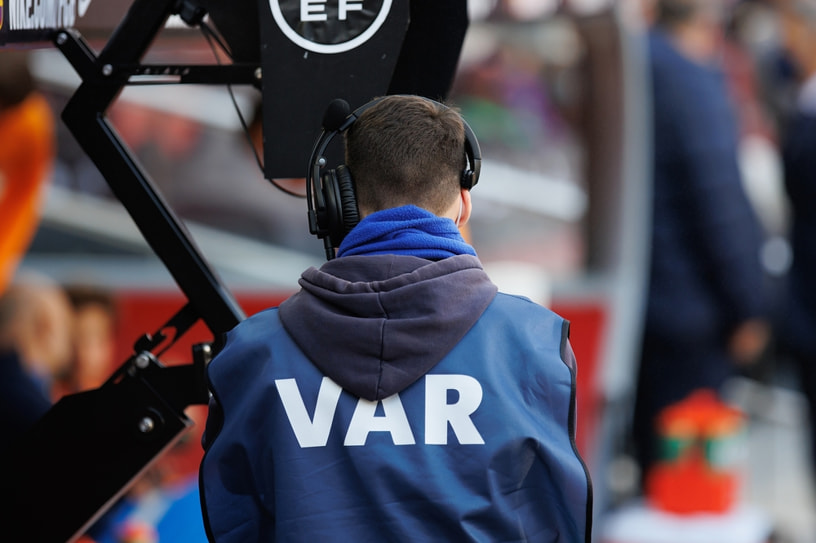
Some matches fade. This one will not. Fans will point back to it during future VAR debates. During defensive lapses. It became a reference point. And reference points shape narratives.
Why Defensive Leadership Is Still Missing
Mistakes happen. But leadership limits damage. Chelsea’s back line reacted late. Pointing came after the ball moved. Fans noticed the silence. No organizer. No calm voice. That absence makes errors feel bigger and harder to forgive.
The Pattern Fans Fear Most Is Repeating
This draw felt familiar. That is the issue. Control without closure. Pressure without payoff. Errors at key moments. Fans are not reacting to one game. They are reacting to a pattern they hoped was gone.
Why This Match Shifted Expectations Going Forward
Before this game, patience existed. After it, scrutiny increased. Fans now watch defending more closely. They question VAR decisions faster. The margin for error shrank. Not because of the table. But because belief took a hit.